

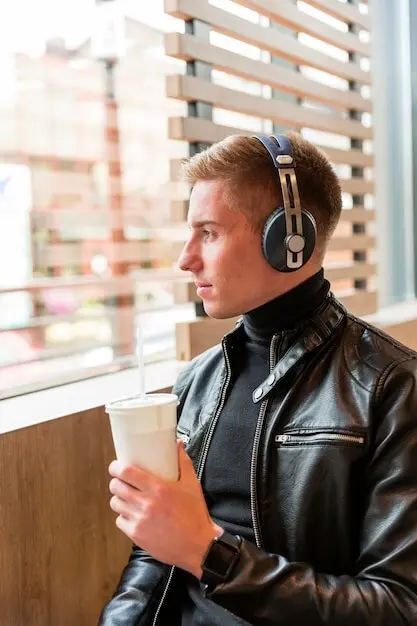


Silence in Motion: Real-World Trials on the Daily Commute

Today we stress-test noise-cancelling headphones on public transit, diving into subways, buses, and trams to see how well they hush screeching rails, engine growls, and chaotic chatter. Expect candid impressions about comfort, battery life, transparency modes, and call clarity, anchored in repeatable routes and measured noise profiles. Ride along through gritty anecdotes, honest wins, and revealing failures, then share your experience, questions, and favorite pairs so we can refine future trials and build a smarter, commuter-driven listening guide together.

Routes and Environments

We cycled through deep subway tunnels, elevated train tracks, clattering trams, and diesel-heavy bus corridors, capturing how structures, materials, and speed alter the sonic battlefield. A single pair might excel underground but flinch on surface routes buffeted by crosswinds and jolting stops. By layering short hops and long hauls, plus transfers that test folding hinges and cases, we observed behavior across fatigue, posture changes, and shifting crowds, grounding every impression in repeatable, comparable situations rather than lucky flukes.

Noise Profiles and Measurements

We profiled dominant frequencies—from low-frequency rumble to midband screeches—and tracked attenuation during steady cruise and sudden spikes. A compact meter and calibrated recordings kept us honest, while diary notes captured perceived hush, talk-through intelligibility, and ear pressure fatigue. We flagged algorithmic overcorrection, where the soundstage wobbled during acceleration or doors slamming, and compared these moments across models. Measured data anchored narratives, but we prioritized human perception, because commuters care about relief, awareness, and clarity more than sterile charts alone.

Repeatability and Blind Listening

To avoid halo effects from branding or price, we rotated pairs without labels during identical route segments and aligned volume targets before each pass. The same playlists and podcasts returned daily, revealing persistent flaws and pleasant surprises. We also recruited two riders—one glasses-wearer, one hat loyalist—to surface fit quirks we would otherwise miss. By repeating the gauntlet at different times, including damp mornings and sweltering afternoons, we filtered out one-off anomalies and captured behavior commuters can actually trust.

Taming the Low-End Rumble

Subway rumble is a marathon, not a sprint. Strong low-frequency cancellation buys headroom, letting music breathe and podcasts remain legible without cranking volume. We tracked how bass lines survived alongside engine thunder, and whether ear pressure sensations crept in. A few models delivered velvet stillness without surgically extracting warmth, a rare, luxurious balance on steel wheels. Others quieted the roar yet introduced a vacuum-like hush that felt artificial, prompting us to reach for transparency or simply take a break between stops.

Dealing with Sudden Peaks

Brakes, horn taps, and door slams create knife-edged peaks that expose algorithmic lag. We timed reactions: do bursts slice through unimpeded, or does attenuation clamp swiftly without twisting the music? Some pairs recovered gracefully, while others wobbled, reshaping vocals and cymbals momentarily. Announcement chimes proved illuminating; models that preserved chime clarity with transparency engaged kept riders informed, while rivals overshot, dulling crucial cues. We leaned into worst-case edges because that is where commuters notice discomfort and reach for the pause button.

Wind, Drafts, and Cabin Pressure

Open windows, station drafts, and accelerating trains stir airflow that microphones mistake for noise, provoking swooshing artifacts. Headsets with smart wind reduction and sheltered mic ports stayed composed on breezy platforms, where rivals gurgled audibly. We also tracked perceived pressure, that subtle eardrum push some listeners feel under aggressive cancellation. The best designs balanced control with spaciousness, preventing the dreaded ear-pop sensation during tunnels. Our ride diaries capture these micro discomforts that spec sheets rarely acknowledge but daily riders immediately recognize.

Comfort That Survives a Double Transfer

Great cancellation is meaningless if your head begs for mercy before the second transfer. We evaluated clamping force during shoulder-to-shoulder jostling, heat buildup beneath synthetic leather, and hotspots blooming from heavy headbands. Glasses temples, masks, and winter caps complicate the seal, so we watched for shifting bass and creeping treble harshness as fits changed. Hinges, sliders, and memory-foam density all played roles. Real commuting revealed whether designs accommodate bodies in motion, or demand perfect posture you will never maintain between doors.

Power to Outlast a Packed Day

Endurance Across Connections

Multipoint is indispensable for modern commuters, yet it drains differently across brands. We ran simultaneous laptop calls and phone music, then measured drop-off against single-connection runs. Some models sipped wisely, with minimal penalty for flexibility; others treated multipoint as a luxury tax. We also watched standby drain between segments, because a forgotten pause can sink an evening return. Winners delivered consistency: predictable percentages after known distances, sparing us the ritual of toggling settings just to make it home without scrabbling for outlets.

Fast Charging Between Stops

When a line stalls and the platform becomes a waiting room, quick charging can rescue the day. We tested ten and fifteen-minute top-ups from multiple adapters and power banks, measuring how many podcast episodes that realistically buys. Cables and ports matter; loose jacks wasted precious minutes. Some pairs jumped dramatically, offering a tangible revival, while others trickled shyly, demanding patience commuters rarely have. Reliability counted as much as speed, because confidence to detour after work depends on knowing your cushion truly exists.

Cold Mornings, Aging Cells

Batteries hate the cold, and repeated winters tell the truth about capacity. We logged performance near freezing, noting whether headphones misreported charge or throttled features abruptly. Over months of micro-cycles, we watched fade patterns and how well firmware tracked reality. Replaceable pads are celebrated; replaceable batteries remain rare. Models with realistic percentages and gentle low-battery warnings felt respectful, preventing panic-resumes of transparency. In the long arc of commuting, honesty and graceful degradation matter more than day-one heroics that vanish with the first frost.

Hearing the World When It Matters

Silence is golden until information needs to cut through. We scrutinized transparency modes for natural timbre, directional cues, and whether conductor announcements stayed intelligible without piercing harshness. Microphone arrays faced crowds and wind to test call clarity during platform chaos, while latency checks preserved spatial awareness for footsteps and bikes when walking streetside. Balanced designs faded background babble yet guided attention reliably. The best pairs felt like lifting an ear cup without losing protection, converting isolation into calm, situationally aware movement through the city.

Announcements Without Lifting an Ear Cup

We stood beneath speakers and sat at car ends where PA systems blur. Good transparency preserved consonants, keeping stop names clean even when engines surged. Poor implementations over-brightened, turning hiss into fatiguing glare that masked information. Some offered adaptive gain tied to ambient levels, cleverly boosting only when trains slowed for stations. We also checked for spatial consistency, because announcements arriving from everywhere confuse action. The winners allowed a glance at signage to confirm, not compensate, enhancing confidence during cross-platform, time-crunched transfers.

Calls on Crowded Platforms

Few tests humble microphones like rushed apologies to coworkers while brakes scream nearby. We placed calls beside opening doors and along echo-heavy walls, assessing sibilance, plosives, and background gating. Smart beamforming helped, but aggressive noise removal sometimes clipped words or made voices robotic. The best headsets prioritized the talker’s warmth while tamping chaos acceptably, earning appreciative nods from call partners. If a vendor boasts studio-grade mics, this is where it must shine, not in silent rooms free from humanity’s everyday clatter.

Latency, Footfalls, and Safety

Walking near traffic with sealed cups changes perception. We checked for latency that detaches footsteps from movement and corrodes balance, especially when videos or navigation prompts run simultaneously. Transparency should restore spatial timing, not smear it. Several pairs nailed a convincing street mix, preserving wheel hiss and cyclist bells without magnifying harshness. Others floated sounds oddly close or far. Safety thrives on coherent distances; our notes emphasize which headphones let you glance, decide, and step smoothly, rather than hesitate while your brain remaps reality.

Stories from the Commute Front Line

Data lands hardest when human. We collected small victories—the moment screeching curves softened into breathy vocals—and frustrating misses, like auto-pausing at the exact instant a transfer announcement played. One tester rediscovered the joy of early-jazz vinyl rips, surprisingly immune to algorithmic pumping. Another learned to trust transparency for brief station checks rather than toggling constantly. Share your rituals, station gauntlets, playlists, and pain points below. Your notes shape future routes, models to revisit, and a living guide designed around real riders’ mornings.

A Moment of Subway Calm

On a blizzard morning, doors stuck, and cars filled with restless tapping. One pair dissolved the rumble just enough for a piano intro to bloom, soft hammers rising above impatience. Our tester breathed deeper, shoulders settling as carriage tension eased. That memory now anchors our evaluations: not sterile silence, but usable relief that preserves the music’s body. Tell us when your headphones turned chaos into something humane, even briefly, and we will chase designs that reproduce that grace consistently.

The Missed Stop Lesson

Total isolation can backfire. A different rider perfected a cozy seal, then sailed past their station while a faint announcement tried and failed to break through. The fix was not abandoning cancellation, but tuning transparency to a predictable floor and learning the pair’s cues. Afterward, they noticed how certain chimes preview doors. Share your near-misses and the settings that saved you. Honest mishaps teach more than spec sheets, guiding us toward real-world defaults that protect awareness without sacrificing restorative quiet.
Tell Us How You Ride

Your commute is our blueprint. Drop a comment describing your loudest segment, your biggest annoyance, and the one feature you will never give up. Do you favor over-ears for cushion or in-ears for stealth? Which platforms, seasons, or weather cave in your patience? Subscribe for upcoming route expansions, vote on next models, and nominate underdogs. Together we will refine tests, prioritize fixes that matter, and publish a community-built shortlist that actually survives Monday’s grind as gracefully as Friday’s sprint.

Rinonexodarimiranilomexo
Privacy Overview

This website uses cookies so that we can provide you with the best user experience possible. Cookie information is stored in your browser and performs functions such as recognising you when you return to our website and helping our team to understand which sections of the website you find most interesting and useful.